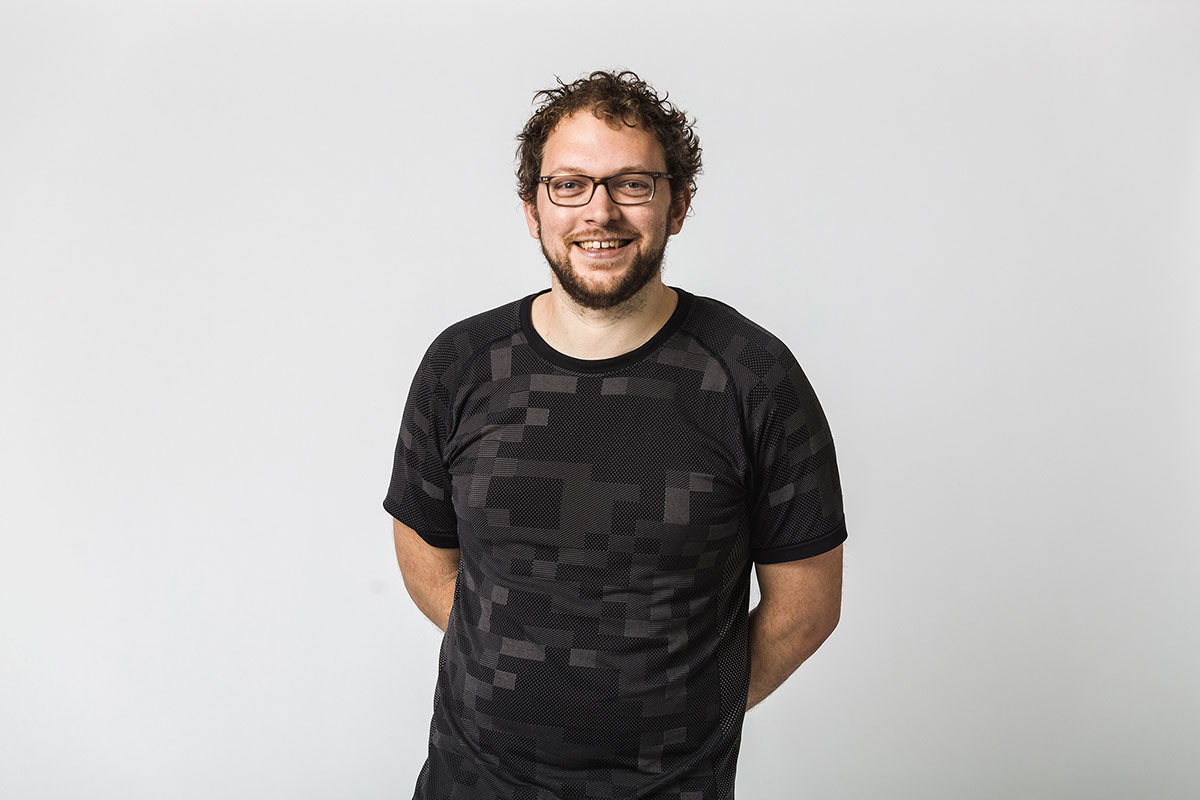
Colin Williams
Software Engineer / Team Lead
I think in systems. Give me ambiguity and I'll find the structure hiding inside it. Give me something "working" that everyone's afraid to touch and I'll figure out what it's actually trying to be. After 15 years of building software, I've learned that the hard part is rarely the code — it's understanding what the problem actually is before you solve the wrong one elegantly.
I'm drawn to the seams: where design meets engineering, where user needs meet technical constraints, where what someone says they want meets what they actually need. That's where the interesting work lives. I've spent my career at agencies, startups, and in-house teams — building everything from high-pressure product launches to AI-powered tools — but the constant has been this: I pay attention to the parts that don't fit neatly into anyone's job description.
Lately, that instinct has pulled me toward something unexpected. The same curiosity that makes me good at debugging systems turns out to be useful for understanding people. Which is why, alongside my work as a front-end lead at HILOS, I'm beginning graduate studies in counseling psychology.
There's more to the story.
A few years ago, I started volunteering with the Trauma Intervention Program. I think of it as being a "second responder" — I meet with families after a death, expected or unexpected, offering empathy, compassion, and emotional first aid. When someone is living through one of the worst days of their life, there's nothing to fix. You just sit with them in the grief and help them find their next step.
That work changed something in me. It turns out the same instincts that make me good at engineering — pattern recognition, reading what's not being said, staying calm in ambiguity — translate directly to sitting with people in crisis. And I wanted to get better at it.
So this fall, I'm beginning graduate studies in Professional Mental Health Counseling at Lewis & Clark. I'll be doing both — building software and learning to be a therapist — because I've stopped thinking of them as separate paths. They're both about understanding systems, earning trust, and helping people get unstuck.