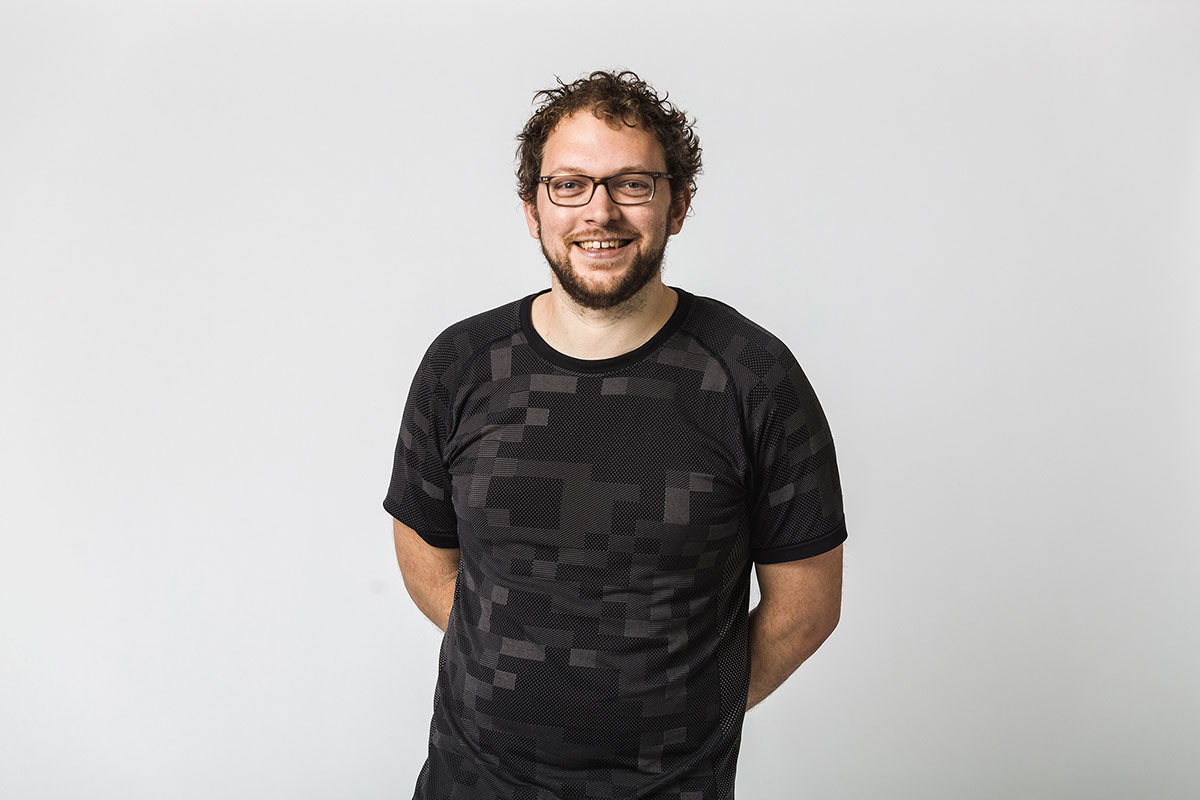
Colin Williams
Software Engineer / Team Lead
I think in systems. Give me ambiguity and I'll find the structure hiding inside it. Give me something "working" that everyone's afraid to touch and I'll figure out what it's actually trying to be. After 15 years of building software, I've learned that the hard part is rarely the code — it's understanding what the problem actually is before you solve the wrong one elegantly.
I'm drawn to the seams: where design meets engineering, where user needs meet technical constraints, where what someone says they want meets what they actually need. That's where the interesting work lives. I've spent my career at agencies, startups, and in-house teams — building everything from high-pressure product launches to interactive 3D editing tools — but the constant has been this: I pay attention to the parts that don't fit neatly into anyone's job description.
Right now you can find me leading front-end at HILOS, where I build the application layer for a suite of 3D editing tools — the state models, the rendering pipeline, the architecture that has to hold up whether you're a modeler who's lived in this software for decades or someone who's never opened a 3D tool in your life. Serving both means the technical decisions and the human ones stop being separable: how you structure a data model determines what you can make legible on screen, and what a user expects to happen determines what the system has to be able to do. That intersection is where I do my best work.
There's more to the story.
Last year, I started volunteering with Trauma Intervention Program. I think of it as being a "second responder" — I meet with families after a traumatic experience, usually a death, offering empathy, compassion, and emotional first aid. It's a deep honor to be able to sit with them in the grief and help them find their next step.
That work was the starting of a new journey. It turns out the same instincts that make me good at engineering — pattern recognition, reading what's not being said, staying calm in ambiguity — translate directly to sitting with people in crisis. And I wanted to get better at it.
I'm a first year graduate student in Professional Mental Health Counseling at Lewis & Clark. I'm doing both — building software and learning to be a therapist — because I've stopped thinking of them as separate paths. They're both about understanding systems, earning trust, and helping people get unstuck. I'm excited to see where this journey takes me.